How to Grow Onions from Sets
An easy informational guide for successful home growing
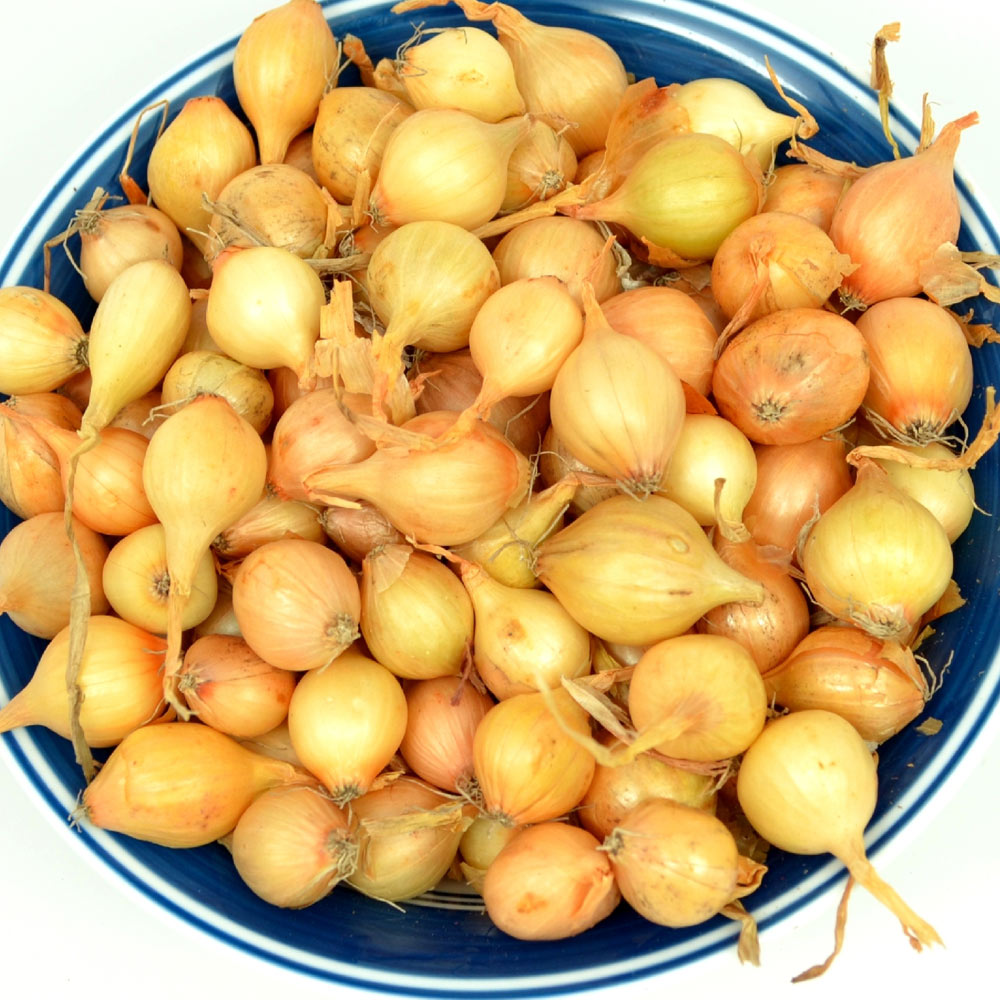
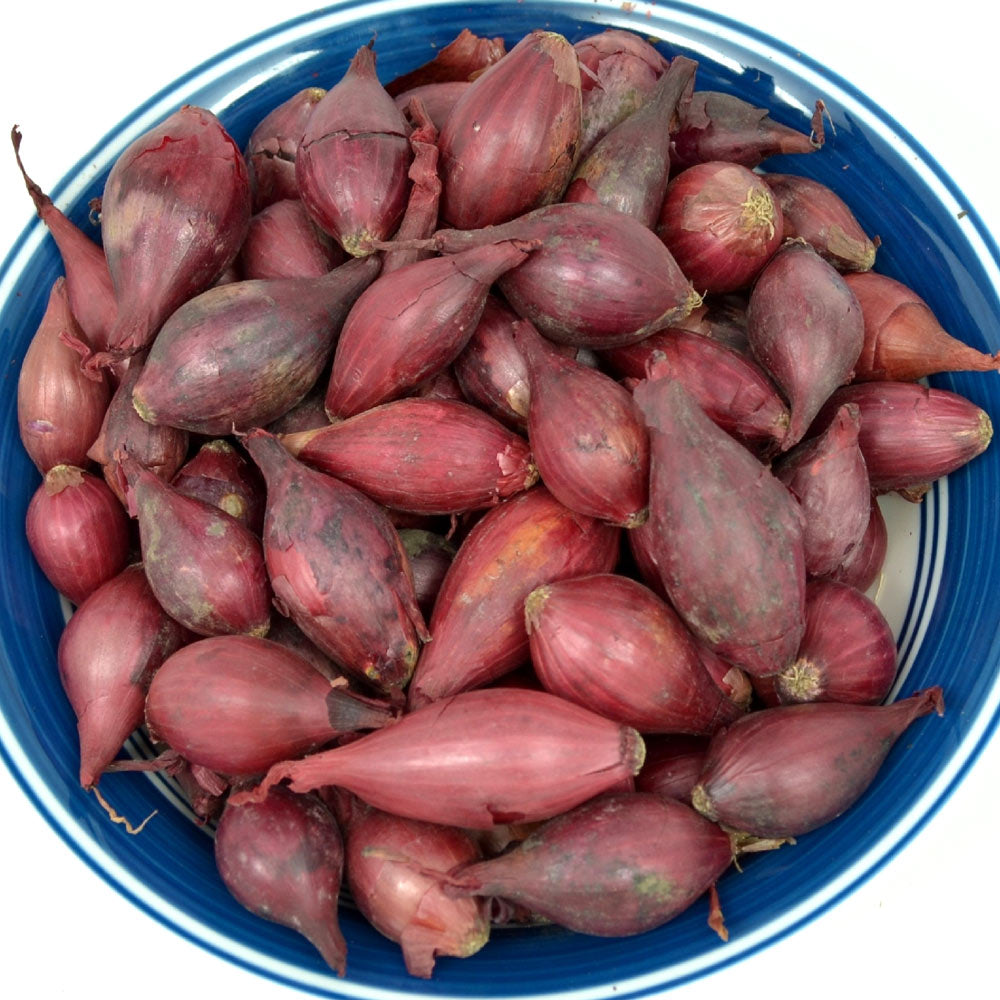
Onion sets are small, immature bulbs grown the previous season and dried for planting. They are the simplest and fastest way to grow onions - easier than starting from seed and quicker to harvest (typically 90-120 days). One set grows into one full-sized onion (or green onions if harvested early).
Choose the Right Sets
- Select firm, dry sets free of mold, soft spots, or sprouting.
- Choose varieties suited to your climate and day length (short-day for southern areas, long-day for northern areas, intermediate for mid-latitudes). Yellow, red, and white sets are widely available.
When to Plant
- Spring planting (most common): As soon as the soil can be worked, typically 2-4 weeks before your last expected frost. Onions are cold-hardy and tolerate light frost.
- Autumn planting: Plant sets about a month before the first hard frost for an earlier summer harvest.
- Soil temperature around 50°F is ideal for planting.

Onion Growing Tips
- Full sun (at least 6-8 hours daily).
- Well-drained, fertile soil rich in organic matter. Avoid heavy clay or waterlogged ground.
- Ideal pH: 6.0-6.8 (slightly acidic to neutral).
- Loosen soil to 6-12 inches deep. Mix in well-rotted compost or aged manure. Do not use fresh manure.
- Raised beds or rows help with drainage in heavier soils.
Keep the area weed-free - onions have shallow roots and compete poorly with weeds.
How to Plant Onion Sets
1. Break sets apart if packaged together.
2. Plant with the pointed (growing) tip up and the flat/root end down.
3. Push each set into the soil so the tip is just level with or barely poking above the soil surface (about ½-1 inch deep). Planting too deep can hinder growth; planting too shallow risks drying out or being pulled by birds.
4. Spacing:
- For full-sized bulbs: 4-6 inches apart in rows 12-18 inches apart.
- For green onions/scallions: 1-2 inches apart; pull every other one as they grow.
5. Gently firm the soil around each set and water thoroughly to settle.
Growing Tips
- Watering: Provide consistent moisture - about 1 inch of water per week. Water more during dry spells, especially while roots establish and bulbs form. Avoid waterlogging (causes rot). Stop or reduce watering once bulbs swell and tops begin to yellow (usually mid-summer), so bulbs store better.
- Weeding: Hand-weed carefully or use a light mulch (straw, shredded leaves) to suppress weeds and retain moisture. Keep mulch away from the bulb necks.
- Fertilizing: Apply a nitrogen-rich fertilizer early in the season to encourage leafy growth. Switch to a more balanced or lower-nitrogen feed once bulbs begin to form. Over-fertilizing late can lead to soft bulbs that store poorly.
- Bolting: If a flower stalk appears, snip it off immediately so energy stays in the bulb.
- Pests & problems: Watch for onion fly, thrips, or fungal issues. Good spacing, airflow, and crop rotation help. Birds sometimes pull sets - cover with netting or fleece if needed until established.

Harvesting Onions
- Green onions: Harvest any time once tops are 6-8 inches tall.
- Full bulbs: Ready when tops yellow, wither, and naturally fall over (usually July-October depending on planting time and variety). Do not force the tops down early.
- Gently dig or pull the bulbs on a dry day, leaving tops attached. Avoid bruising
Curing and Storage of Onions
1. Lay harvested onions in a single layer in a warm, dry, well-ventilated spot out of direct sun (or leave in the field for a few days if weather is dry).
2. Cure for 1-2 weeks until necks are dry and outer skins are papery.
3. Trim roots and cut tops to about 1 inch.
4. Store in a cool (ideally 32-40°F), dry, dark place with good airflow (mesh bags, crates, or hanging braids). Properly cured onions can keep for months.
Quick Tips for Success
- Consistent water and weed control = larger, healthier onions.
- Wider spacing = bigger bulbs.
- Stop watering at maturity for better storage.
- Rotate crops - avoid planting onions in the same spot year after year
With these simple steps, your onion sets should produce a reliable, flavorful harvest. Enjoy your homegrown onions!